
War of the Chairs
- Mar 27
- 2 min read
My father lived his life in straight lines. He was an obedient son, a dedicated
employee, a dutiful family man. For many years, he worked in the design department
of Tata Motors (then TELCO). The vehicles were sturdy, reliable and designed for
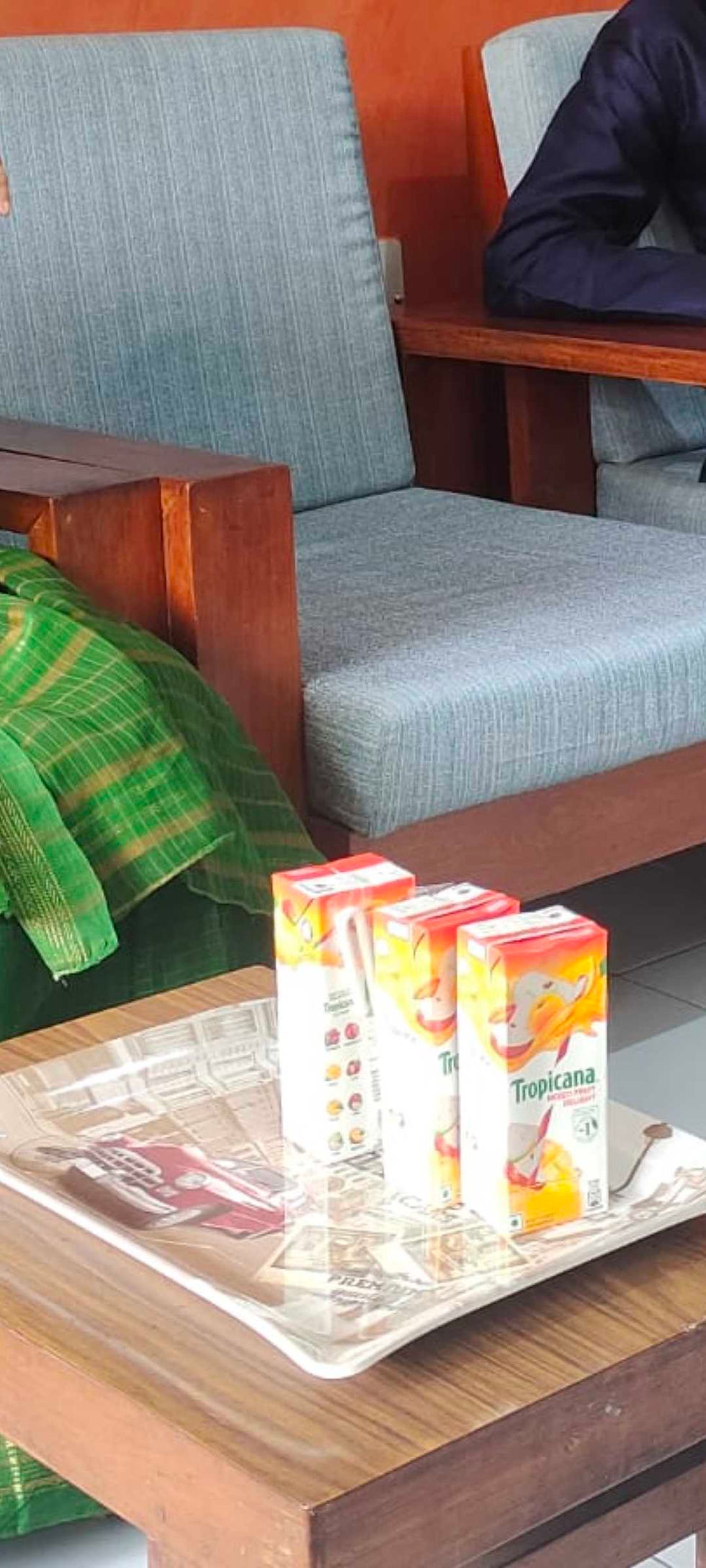
rough Indian roads. So, when he took it upon himself to design sofas for our living
room, they were made of solid wood, in straight lines. The backs were ramrod
straight, with armrests at exactly ninety degrees. Evenings with friends were
boisterous affairs, with beer and whiskey flowing freely and hearty dinners of my
mother’s pulao and mutton curry. But you couldn’t really relax on those chairs. When
I started going to college, a fast-developing aesthetic sense revolted against those
blocks of wood. When my friends came home, I did not want them to look like
trustees at a board meeting! I suggested a cane sofa set for a softer aesthetic but my
father would have none of it. My mother and my brother looked on amusedly, to see
which way this skirmish would blow. I saw my chance when my father moved to
Indonesia with a new job. My mother gave me permission to buy a cane sofa set on
the condition that the original set remained somewhere in the house. I lugged those
heavy-duty board meeting chairs up to a little store room and somehow stacked
them up there, their straight arms and backs fitting each other like large, ugly Lego
blocks. And then I got a cane sofa set from a little shop we used to drive by often.
We added some cushions and antimacassars to complete the softer, homelier look
and I sat back, victorious. And then I got married and moved out, the Indonesian
economy collapsed and my father came back to claim his chairs. He shipped out my
beautiful cane sofa set to our flat in Kolkata and brought his beloved straight-backed
chairs out of storage and into the living room, where they still are, having outlived
him now by some three and a half years!
*********
Objects of Our Affection is a series exploring our connections to the furniture and objects that make our spaces home. Through stories of tables, chairs, and that odd-shaped thing only you love, we celebrate the inanimate pieces that hold memory and witness our lives.
If you'd like to contribute your own story to this series, we'd love to hear from you. Micro-essays, poems, reflections, and fragments welcome. Write to us at hellothadi@gmail.com. Word limit 400.




Comments